
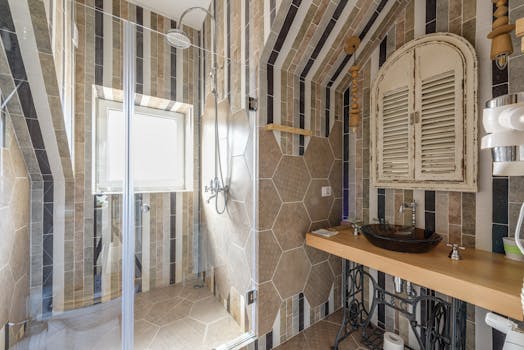

The allure of a modern, minimalist home is undeniable. It promises not just aesthetic appeal but a tangible sense of calm and order in our increasingly chaotic lives. Yet, many perceive “minimalist” as synonymous with stark, uninviting emptiness. This couldn’t be further from the truth. True modern minimalism is about intentionality, thoughtful curation, and the creation of spaces that are both beautiful and profoundly functional. Undertaking a renovation with this vision in mind requires a strategic approach, moving beyond superficial trends to embrace core principles that foster lasting tranquility.
Deconstructing the Minimalist Ethos: More Than Just Less
At its heart, renovating a home for a modern, minimalist look is about stripping away the superfluous to reveal the essential. It’s a philosophy that champions quality over quantity, thoughtful design over fleeting fads, and clarity over clutter. This isn’t about living with nothing; it’s about living with purposeful things, each element serving a function or bringing genuine joy. When embarking on such a renovation, consider the underlying principles:
Intentionality: Every decision, from paint color to furniture placement, should have a clear purpose.
Functionality: Spaces must work seamlessly for their intended use, with a focus on ease of living.
Quality: Investing in durable, well-crafted items that stand the test of time is paramount.
Simplicity: Eliminating visual noise and embracing clean lines fosters a sense of peace.
Strategic Planning: Laying the Foundation for Serenity
Before a single wall is painted or a fixture is chosen, rigorous planning is essential. This phase is critical for avoiding costly mistakes and ensuring your renovation truly embodies the minimalist ideal.
#### Defining Your Functional Zones
Minimalism thrives on order. Begin by analyzing how you actually use each space. Do you entertain frequently? Is your home office a sanctuary for deep work? Understanding these needs will dictate layout, storage solutions, and the overall flow of your home.
Analyze Daily Routines: Map out your typical day, noting how you move through your home and what activities take place in each room.
Prioritize Key Activities: Identify the activities that are most important to you and design spaces that facilitate them efficiently.
Consider Future Needs: While focusing on the present, briefly consider how your needs might evolve.
#### Decluttering as a Design Tool
Many mistakenly believe decluttering is a post-renovation task. However, it’s an integral part of the design process when renovating a home for a modern, minimalist look. Tackling clutter before construction begins provides clarity on what you truly need to accommodate.
The “One In, One Out” Rule: Implement this even before the renovation starts. For every new item you bring in, an old one must go.
Categorize and Conquer: Group items by category (e.g., books, kitchenware, clothing) to make the process less overwhelming.
Question Every Item: Ask yourself: “Have I used this in the last year?” “Does it serve a practical purpose?” “Does it bring me genuine joy?” Be ruthless but realistic.
Materiality and Palette: The Cornerstone of Modern Minimalism
The choice of materials and color palette is where the visual essence of a minimalist home truly takes shape. It’s about creating a cohesive, understated backdrop that allows the few chosen elements to shine.
#### Harmonizing Through a Neutral Canvas
A sophisticated neutral palette is the hallmark of modern minimalist design. Think beyond stark white. Explore a range of muted tones:
Soft Whites and Off-Whites: These offer warmth without the starkness of pure white.
Warm Grays and Greiges: These versatile shades provide depth and a sense of grounding.
Earthy Tones: Think subtle beiges, sandy hues, and muted terracotta for natural warmth.
Subtle Blues and Greens: Used sparingly, these can add a touch of calm and connection to nature.
The key is to create a sense of visual continuity. Using similar tones across walls, floors, and even large furniture pieces can expand a space and enhance its tranquil feel.
#### Embracing Natural Textures
While the palette is restrained, texture is crucial for preventing a minimalist space from feeling flat. Natural materials add depth, warmth, and a tactile quality that invites engagement.
Wood: Consider light oak, walnut, or ash for flooring, cabinetry, or accent pieces. The grain adds inherent visual interest.
Stone: Natural stone, such as marble or granite, in honed finishes can lend an air of understated luxury to countertops or feature walls.
Linen and Cotton: These natural fabrics are ideal for upholstery, drapery, and soft furnishings, offering a gentle, organic feel.
Concrete and Plaster: These can provide a raw, industrial yet sophisticated texture to walls or floors.
Clever Storage Solutions: Hiding in Plain Sight
One of the greatest challenges and triumphs of renovating a home for a modern, minimalist look lies in effective storage. The goal is to keep clutter out of sight, maintaining clean lines and an uncluttered aesthetic.
#### Integrated and Concealed Systems
Opt for built-in cabinetry and storage solutions that blend seamlessly with the architecture.
Full-Height Cabinetry: Extend cabinets to the ceiling to maximize vertical storage and create a streamlined look.
Handleless Designs: Push-to-open mechanisms and integrated pulls maintain clean, uninterrupted surfaces.
Hidden Appliances: Consider integrated refrigerators, dishwashers, and washing machines that disappear behind cabinet fronts.
Multifunctional Furniture: Pieces that combine seating with storage, like ottomans or benches, are invaluable.
#### The Art of Display (or Lack Thereof)
Minimalism isn’t about hiding everything. It’s about displaying only what is truly meaningful or beautiful.
Curated Shelving: Use open shelving sparingly for carefully selected decorative items, books, or plants.
Focal Points: Create intentional visual anchors, such as a striking piece of art or a well-designed lamp, rather than filling every surface.
Concealed Cords and Cables: Invest in cable management solutions to banish unsightly wires.
Lighting and Layout: Shaping Atmosphere and Flow
Lighting and layout are often overlooked yet are critical to achieving the desired mood and functionality in a minimalist renovation.
#### Layered Lighting for Ambiance
Effective lighting transforms a space. Minimalism calls for deliberate illumination that enhances form and function.
Ambient Lighting: Recessed ceiling lights or simple pendant fixtures provide general illumination.
Task Lighting: Under-cabinet lights in the kitchen, reading lamps by a chair, or desk lamps are essential for specific activities.
Accent Lighting: Wall sconces or spotlights can highlight artwork or architectural features, adding subtle drama.
Natural Light Maximization: Keep window treatments simple and allow as much natural light to enter as possible.
#### Open-Plan Considerations and Flow
While open-plan living often aligns with modern aesthetics, a minimalist approach emphasizes clear delineation of zones even within an open space.
Strategic Furniture Placement: Use furniture to define distinct areas (e.g., a sofa separating the living and dining areas).
Consistent Flooring: Using the same flooring material throughout connected spaces enhances continuity and flow.
Thoughtful Doorways: Consider pocket doors or minimalist barn doors that can be opened or closed to adjust the sense of connection between rooms.
Final Thoughts: Cultivating Enduring Simplicity
Renovating a home for a modern, minimalist look is an investment in a lifestyle. It’s about creating a sanctuary that supports well-being and clarity. The true success of such a renovation lies not just in the beautiful surfaces, but in the underlying systems and the intentionality behind every choice. As you move through the process, constantly ask yourself: “Does this serve a purpose?” and “Does this bring peace?”
Wrapping Up
To truly master renovating a home for a modern, minimalist look, approach each decision with a critical eye for purpose and quality. Focus on creating seamless storage and a cohesive, neutral palette accented by natural textures. The ultimate goal is to achieve a space that feels both sophisticated and profoundly serene, a testament to the power of thoughtful design in enhancing everyday living.